When it comes to buying your first golf clubs, one of the most important factors to consider is the size of the clubs. Just like finding the right fit for a pair of shoes, having the correct club size can greatly influence your performance on the course. Clubs that are too long, too short, or not suited to your height and swing style can lead to frustration, making it harder to enjoy the game.
To determine the right club size for you, start by measuring your height and arm length. Most golf retailers offer fitting services where you can get personalized recommendations based on these measurements. As a general rule, taller players usually require longer clubs, while those who are shorter can benefit from clubs that are a bit shorter. Remember, the goal is to allow for a natural swing that feels comfortable and balanced.
Another factor to consider is the type of golf you plan to play. If you're looking to enjoy the game casually or play mostly on weekends, standard-sized clubs may work just fine. However, if you’re serious about improving your skills or playing competitively, investing in custom-fitted clubs can make a significant difference. Custom clubs are tailored to your individual swing characteristics and preferences, giving you better control and consistency.
Finally, don’t hesitate to ask for help while you’re in the store or at a fitting session. Knowledgeable staff can guide you through the process and help you find clubs that not only fit your size but also suit your style of play. Trying out a few different sizes and types can provide you with a better feel for what works best for you, making your experience on the course much more enjoyable.
Understanding Shaft Flex and Length
When it comes to buying your first golf clubs, one of the most important factors to consider is the shaft flex and length. These elements play a crucial role in how well you can control your shots and optimize your performance on the course. Understanding the difference between various shaft flexes—such as stiff, regular, and senior—and how they relate to your swing will help you make a well-informed decision.
Shaft flex refers to how much the shaft bends during a swing. If you have a faster swing speed, a stiffer shaft is typically recommended. This helps in achieving better accuracy and distance. On the other hand, if you're a beginner or have a slower swing speed, a more flexible shaft will allow for more whip and can generate greater distance. Therefore, it's essential to assess your swing speed to ensure you choose the right flex for your game.
The length of the shaft is another critical consideration. Golf clubs come in various lengths, and the right length depends on your height and posture. A shaft that is too long can lead to poor control and inaccurate shots, while a shaft that is too short may restrict your natural swing. Ideally, the club should allow for a comfortable grip and stance, enabling you to make solid contact with the ball every time.
Many golf retailers offer fitting sessions where you can test different shaft flexes and lengths. Taking advantage of this can help you find the clubs that suit you best. Remember, investing time in understanding these specifications can significantly enhance your enjoyment and success on the golf course.
Selecting the Best Club Types
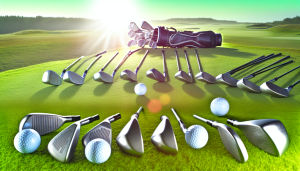
When it comes to buying your first golf clubs, selecting the right types can be a bit overwhelming due to the variety of options available. Understanding the different types of clubs is crucial for any beginner looking to improve their game. Generally, clubs can be categorized into three main types: woods, irons, and putters. Each of these club types serves a specific purpose on the course, making it important to choose wisely.
Woods, especially the driver, are best used for long-distance shots, particularly from the tee. They offer a larger clubhead and a longer shaft, allowing for greater speed and distance when you strike the ball. If you want to make a positive impression with your distance off the tee, investing in a quality driver is essential. Additionally, fairway woods can be beneficial for hitting long shots from the fairway or rough, so consider adding one or two to your set as well.
Irons are versatile and should be considered the backbone of your golf set. They come in numbered sets from 3 to 9, and each number corresponds to a specific loft and distance. For beginners, a set of mid to short irons (like 7, 8, and 9) can be especially useful for approach shots. Hybrid clubs, which combine elements of both woods and irons, can also be a fantastic option as they make it easier to hit the ball from various lies on the course.
Finally, don't overlook the importance of a good putter. This club is crucial for improving your short game, as it is used on the greens to roll the ball into the hole. There are many styles of putters available, from blade to mallet designs, so it’s a good idea to test a few types to find one that feels comfortable and gives you the best control.
Budgeting for Your Golf Gear
When it comes to getting started in golf, budgeting for your gear is crucial. Golf clubs can vary significantly in price, so it's important to have a clear idea of what you can spend before you start shopping. Setting a budget will help you narrow down your options and avoid overspending, allowing you to invest in quality clubs that match your skill level.
Start by determining how much you can realistically allocate for your golf equipment. Consider other related expenses like golf balls, tees, and a bag. A good rule of thumb is to set aside at least $300 to $600 for a decent set of beginner clubs. If you're looking for a complete set, expect to spend a bit more, but remember that you can always add to your collection over time.
Keep in mind that brand names often come with a higher price tag, but that doesn’t always mean they are the best fit for you. Explore different brands and consider purchasing used or certified pre-owned clubs. Many golfers sell their gear after only a few rounds, so you can find great deals that won’t break the bank. Plus, these options can be more forgiving to your wallet while you work on your skills.
Don’t forget to check if there are any local golf shops or online marketplaces offering discounts or promotions. Additionally, some retailers have seasonal sales that can save you a significant amount on your purchases. By being patient and shopping smart, you'll find gear that meets your needs without exceeding your budget, providing a great start to your golfing journey.