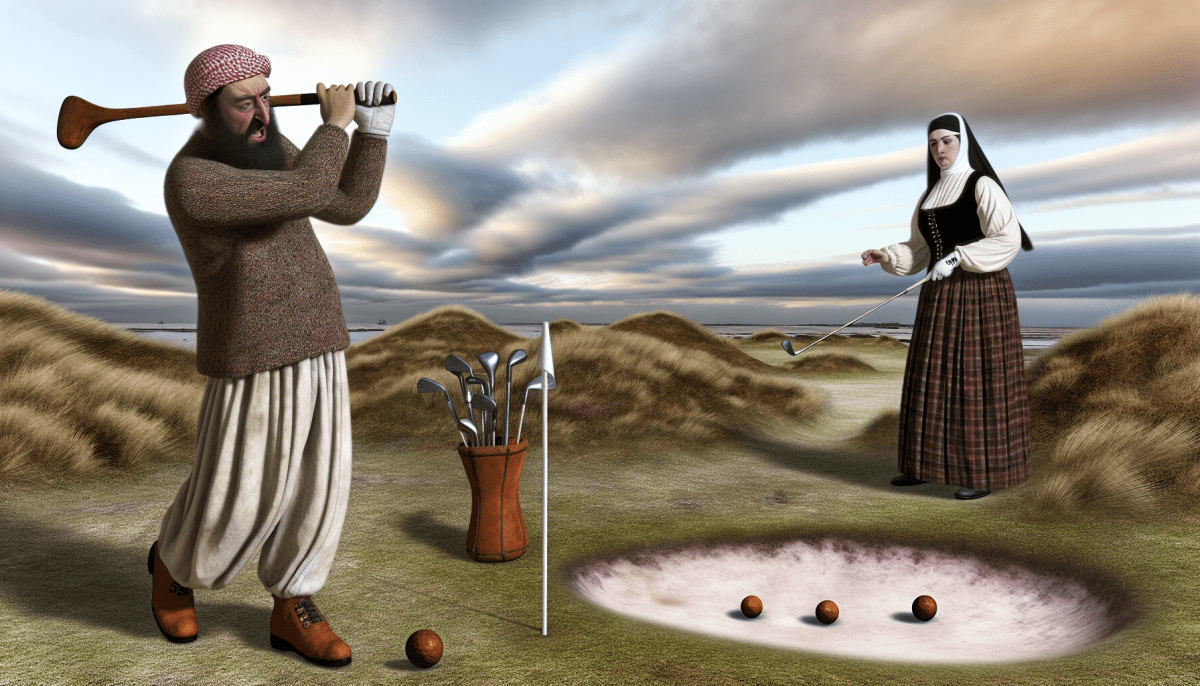
While golf in Scotland was gaining traction, similar games were being played in other parts of Europe. For example, the Dutch played a game called "kolf," which involved hitting a ball towards a target. This suggests that the concepts of striking a ball and aiming for a hole were already common across various cultures. As trade and communication increased between regions, these influences contributed to the development of what we now recognize as golf.
By the late 15th century, golf began to take on a more formal structure. Courses started to be built, and the rules became more standardized. St. Andrews, known as the "Home of Golf," established itself as the premier golfing location in the world, solidifying its status in 1754 when the Society of St. Andrews Golfers was founded. It was here that many of the game's first rules were codified, paving the way for the sport's evolution through the centuries.
Golf's journey did not stop in Scotland. As the British Empire expanded, so did the game. By the 19th century, golf made its way to the United States and other parts of the world. The establishment of clubs and courses outside of Scotland helped to broaden the appeal of the game, transforming it into the global sport it is today. This international growth further contributed to golf's development, with new styles, tournaments, and traditions emerging as the game captured the hearts of millions worldwide.
Golf's Growth in the 15th Century
The 15th century marked a significant turning point in the history of golf, as the sport began to take shape into a more organized activity. During this time, golf was primarily played in Scotland, where it evolved from its earlier forms. The game became increasingly popular among the Scottish nobility, who embraced it as a leisurely pastime. This growing interest was crucial for the sport’s development, as it led to more defined rules and the establishment of courses.
In 1457, the Scottish Parliament even took notice of golf, issuing an edict that banned the game. The reasoning behind this was that golf was distracting young men from practicing archery, which was deemed necessary for national defense. Despite this ban, golf continued to flourish, demonstrating its strong foothold in Scottish culture. Over the years, the game adapted, leading to the first written rules being formed, which would later serve as the foundation for modern golf regulations.
The 15th century also saw the creation of the earliest known golf course at St Andrews, one of the sport's most iconic locations today. This course was initially just a stretch of open land where players would hit a wooden ball towards a hole. As more people took up the game, the course began to evolve, introducing more defined holes and layout features. St Andrews became a hub for golf enthusiasts, solidifying its place in the sport’s rich history.
During this period, golf transitioned from a rudimentary pastime to a sport with structure and community engagement. The camaraderie among players and the excitement of competition started to take shape. As the interest in golf spread beyond Scotland, its popularity laid the groundwork for the global phenomenon it would eventually become in the centuries to follow.
Rules and Equipment Changes Over Time
The game of golf has seen significant changes in its rules and equipment since its inception. In the 15th century, when golf began to gain popularity in Scotland, the rules were quite different from what we know today. Back then, players used a simple set of guidelines that revolved around natural terrain. There were no standardized rules, and each golf course had its own set of customs. Over the years, however, as the sport spread across Europe, the need for a formalized set of rules became essential.
In 1754, the first official rules of golf were established at the St. Andrews Golf Club, with the introduction of 13 key rules. These rules addressed various aspects of gameplay, including how to tee off, how to deal with hazards, and guidelines for putting. As golf became more popular in the 19th century, additional rules emerged, leading to the establishment of the Royal and Ancient Golf Club, which played a crucial role in the standardization of golf rules worldwide.
Equipment has also evolved dramatically. Early golf balls were made of wood, while golfers used clubs crafted from wood and iron. The introduction of gutta-percha balls in the mid-19th century revolutionized the sport, as they were more durable and offered better performance. By the early 20th century, the rubber-core ball emerged, further improving distance and accuracy. Today, modern golf balls and clubs utilize advanced materials and technology, allowing players to achieve impressive distances with greater control.
Moreover, the design of golf clubs has undergone a transformation. Initially featuring simple wooden heads, clubs now include high-tech materials like titanium and carbon fiber. These materials enhance the clubs' performance, providing golfers with a wider range of options tailored to their playing styles. Along with swing analysis tools and launch monitors, today's golfers benefit from a wealth of equipment designed to improve their game, reflecting the sport's continuous evolution over time.
Modern Golf's Popularity and Global Reach
Modern golf has experienced a remarkable surge in popularity over the past few decades. Once seen as a sport for the elite, it now attracts players from all walks of life. This transformation can largely be attributed to a greater emphasis on accessibility, with many courses designed to welcome beginners. Additionally, the rise of golf-related media, including professional tournaments broadcast on television and social media platforms, has helped to inspire a new generation of golfers.
As the game has grown, so too has its global reach. Golf is no longer confined to the lush greens of Scotland, where it was born. Today, it is played on every continent, with countries like South Korea, Japan, and Australia producing world-class players who compete at the highest levels. International tournaments, such as The Masters and the Ryder Cup, draw huge audiences, showcasing the sport's universal appeal.
The introduction of technology has also played a significant role in modern golf’s expansion. Golf simulators and mobile apps have made it easier for enthusiasts to practice and improve their skills, regardless of their location. These innovations allow players to engage with the sport in new and exciting ways, bridging gaps and fostering a sense of community among golfers worldwide.
Moreover, the pandemic further catalyzed golf's popularity as people sought safe outdoor activities. Many golf courses saw an influx of new players eager to enjoy the fresh air and wide-open spaces. This trend helped to solidify golf not just as a sport, but as a leisure activity that can be enjoyed across different cultures and age groups, ensuring that its legacy continues to grow and evolve.